The Nurse and the Narcissist
When you lose someone, and there is a do you know that we carry your loved one too? Do you ever wonder if while being consumed by your own grief if you wonder if a stranger is sharing in your grief?
I can’t tell you the number of families I’ve cried with and the losses that haunt me to this day. From the beginning of my career to 14 years in, I can’t even begin to ballpark the number of deaths I’ve been present for. The number of grieving family members that I’ve consoled. The number of times I’ve snuck away to the staff bathroom to let out a wail myself.
We don’t celebrate the wins as much as we do the losses. It’s the losses. The ones that haunt us. The images of the horrific things that we can’t let go of. No matter how hard we try. We need to find a better way to be able to deal with the people that we put our hands on. And the losses that we personally felt. How else do you come to terms with the dichotomy of becoming a nurse to save and help people and yet losing them tragically in the same breath?
We are still measured against our performance and maybe that’s what it should be called. Because some days, it really feels like I’m putting on a performance for other people’s enjoyment. Smiling joking, laughing at times jokes by patience. Laughing at horrific things that are said to me because I don’t know how else to get out of that situation. Because if I am visibly upset or put off this, the patient gets upset. And then they write my manager. Why wasn’t I a good nurse? Because I wasn’t playing along with the game. So what are we supposed to do? How do you not become upset with what you see on the daily.
It’s not that I don’t empathize with people. The problem is sometimes I empathize too much. So much so that I find it hard to focus on the multitude of other responsibilities that I have in 12 hours. The “ability” to turn our emotions on and off is a hard lesson to learn, but it’s essential if you have no other coping mechanisms available. The thought of turning emotions off is never talked about in nursing school. You’re lucky if, in clinical, you can find someone who will tell you like it is and take you under their wing in order to try and protect you as best they can. If only for a moment.
If you knew this, would it help your grief? Or distract you from wanting to know that in what you person? How is it that one can cry over another? Empathy is what nursing school teaches us: growth. In reality, empathy is one of the factors leading to the demise of so many nurses. We can no longer bear the crushing public’s expectations, and it’s killing us.
We are so hard on ourselves that we focus on the losses instead of the wins. The reason? The wins are so much harder to come by. We are used to beating ourselves up to get better at what clinical was for. We heard from other nurses their doubt in most of us that we internalized it and trusted them more than ourselves. We wallow in the loses because that’s what’s comfortable, especially when we’re just starting out.
It’s how I finally figured out why I fumbled into nursing. It’s to help nurses learn all the skills that they never had the time to learn in nursing school—the so-called “soft skills” that play more into nursing than anyone lets us know: to take care of ourselves as well, if not better than we know how to take care of others.
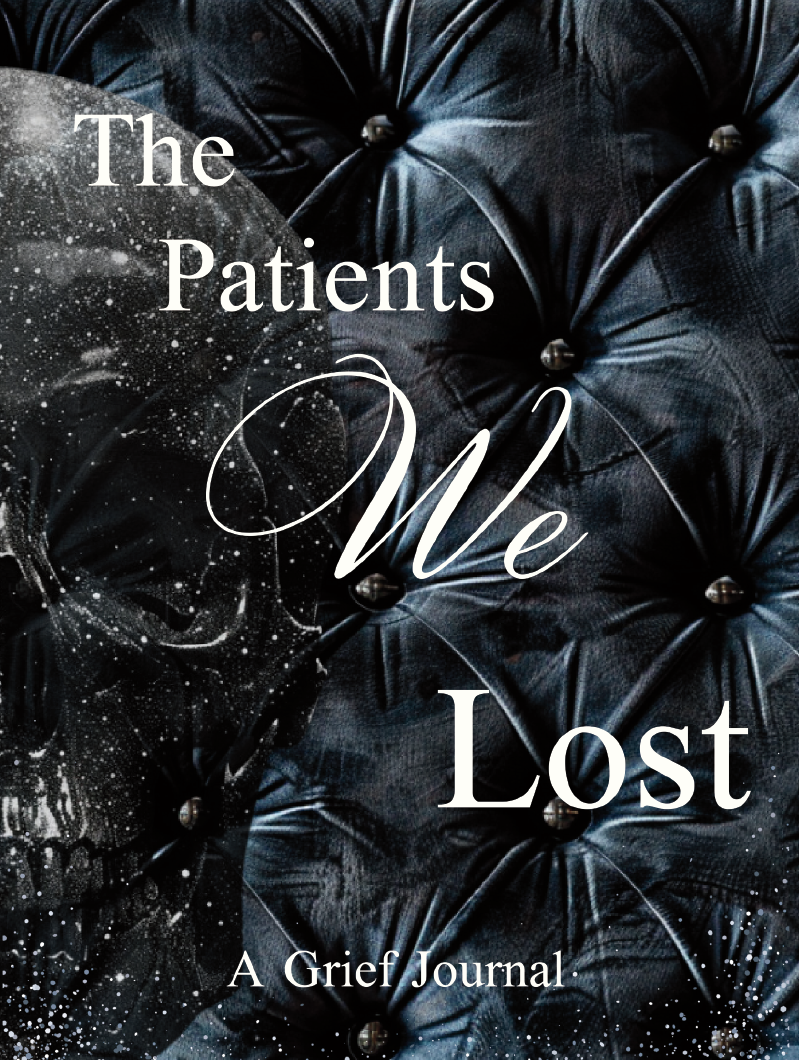
There was the idea of planners for nurses. How to grow coping skills, how to identify triggers, how to heal yourself so you’re able to continue to care LONG TERM for others. I bring them in hopes of helping ONE person. Just one. If I sell only one for the rest of my life I’ll be happy. Because the ripple effect is contagious.
So I need you to start celebrating your wins.
Help one nurse — help hundreds of patients — if not tens of other nurses.
And the ripple flows outward, carrying with it healing.
So I ask, if you are a nurse, know a nurse, or someone for caring for your loved one about how you are healing, thus supporting yours in the long term.